Buy multitouch.eu ?
We are moving the project
multitouch.eu .
Are you interested in purchasing the domain
multitouch.eu ?
domain@kv-gmbh.de · 0541-91531010
Buy multitouch.eu ?
What is special about Taq polymerase?
Taq polymerase is special because it is derived from the thermophilic bacterium Thermus aquaticus, which thrives in high-temperature environments. This makes Taq polymerase highly heat-stable, allowing it to withstand the high temperatures used in the polymerase chain reaction (PCR) process. Additionally, Taq polymerase has a unique ability to add nucleotides to DNA strands at high temperatures, making it an essential enzyme for amplifying DNA in PCR. Its heat stability and unique enzymatic properties have made Taq polymerase a crucial tool in molecular biology and genetic research. **
When does the polymerase stop during PCR?
The polymerase stops during PCR at the end of each cycle when the temperature is lowered for the annealing step. This allows the primers to bind to the template DNA and the polymerase to begin synthesizing new DNA strands. After the annealing step, the polymerase resumes its activity during the extension step, where it adds nucleotides to the growing DNA strands. This cycle of denaturation, annealing, and extension is repeated multiple times to amplify the target DNA sequence. **


Similar search terms for Polymerase
Top-Angebote
Products related to Polymerase:
-
Uplifted Finds Solid Wooden Tic Tac Toe Board And Strategic Interaction Interface orangeInaugurate a direct energy for your environment with this integrated cognitive solution. This solid wooden TicTacToe board serves as a functional choice for your tactical recreation journeys, offering a highdurability alternative to standard...34,97 $*Shipping: 0,00 $Secure redirect to the provider
-
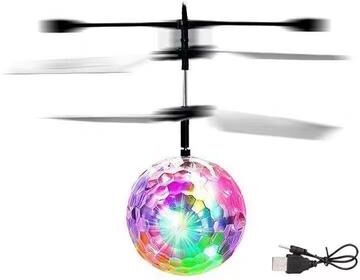
Uplift Essentials Luminous Floating Crystal Ball Infrared Sensing & Gesture Control Flying Toy Luminous Floating Crystal Ball Infrared Sensing & Gesture Control Flying ToyTake to the skies with a mesmerizing aerial display that combines advanced sensor technology with vibrant light effects. This luminous floating crystal ball is a hightech flying toy designed to be controlled by the palm of your hand, offering a...34,97 $*Shipping: 0,00 $Secure redirect to the provider
-
Inspired Deals Kids Adventure Metal Detector Toy With LCD Screen High Sensitivity Treasure Finder greenYou can turn everyday outdoor time into a real treasure hunt with this kids metal detector designed to spark curiosity and excitement. Built for young explorers, this children treasure hunting toy helps kids discover coins, jewelry, and hidden...109,97 $*Shipping: 0,00 $Secure redirect to the provider
-
Inspired Finds LED Gesture Control Flying Crystal Ball Toy With Colorful Lights whiteTurn any room into a mini light show with this magical LED flying ball that hovers, glows, and responds to your hand. This crystalstyle sphere uses smart sensors so kids can guide it in the air with simple palm movements instead of complicated...34,99 $*Shipping: 0,00 $Secure redirect to the provider



-
What is the function of polymerase in biology?
Polymerase is an enzyme that plays a crucial role in DNA replication and transcription. It is responsible for catalyzing the formation of new DNA strands by adding complementary nucleotides to a template DNA strand during replication. In transcription, polymerase helps in the synthesis of RNA molecules by transcribing the genetic information from DNA. Overall, polymerase is essential for the accurate and efficient copying of genetic information in cells. **
-
What is the difference between ligase and polymerase?
Ligase and polymerase are both enzymes involved in DNA replication and repair, but they have different functions. Polymerase is responsible for adding new nucleotides to the growing DNA strand during replication, while ligase is responsible for joining together the Okazaki fragments on the lagging strand of DNA. In other words, polymerase synthesizes new DNA strands, while ligase seals the nicks and gaps in the DNA backbone. Additionally, polymerase requires a primer to start DNA synthesis, while ligase does not. **
-
What is the difference between helicase and RNA polymerase?
Helicase is an enzyme that unwinds the double-stranded DNA helix during DNA replication, while RNA polymerase is an enzyme that synthesizes RNA from a DNA template during transcription. Helicase functions to separate the two DNA strands, allowing other enzymes like DNA polymerase to access the DNA for replication. On the other hand, RNA polymerase reads the DNA template and synthesizes a complementary RNA strand. Overall, helicase is involved in DNA replication, while RNA polymerase is involved in transcription. **
-
What is the Polymerase Chain Reaction (PCR) in brief?
The Polymerase Chain Reaction (PCR) is a laboratory technique used to amplify a specific segment of DNA. It involves a series of temperature-controlled cycles that cause the DNA to be repeatedly copied, resulting in a significant increase in the amount of DNA available for analysis. PCR is widely used in various fields such as genetics, forensics, and medical diagnostics, as it allows for the rapid and efficient replication of DNA sequences. This technique has revolutionized the study and application of DNA, enabling researchers to analyze and manipulate genetic material with high precision and speed. **


Why can't the polymerase chain reaction be used to replicate dinosaur DNA?
The polymerase chain reaction (PCR) cannot be used to replicate dinosaur DNA because the DNA from dinosaurs is too old and degraded. Over millions of years, the DNA breaks down and becomes fragmented, making it impossible to accurately replicate using PCR. Additionally, the PCR process requires specific sequences of DNA to work effectively, and the degraded nature of dinosaur DNA makes it difficult to find intact sequences to amplify. Therefore, other methods, such as paleogenomics, are being explored to study and potentially replicate dinosaur DNA. **
Why does the polymerase work in the 3'-5' direction and the 5'-3' direction?
The polymerase works in the 3'-5' direction during proofreading because it is able to detect and remove any incorrectly incorporated nucleotides. This direction allows the polymerase to recognize and excise the incorrect nucleotide from the 3' end of the growing DNA strand. On the other hand, the polymerase works in the 5'-3' direction during DNA synthesis because it adds new nucleotides to the 3' end of the growing DNA strand. This directionality is essential for the accurate and efficient replication of the DNA molecule. **
Top-Angebote
Products related to Polymerase:
-
Uplift Essentials Tesla Dog Mode Professional Screen Interface Ornament Tesla Dog Mode Professional Screen Interface OrnamentEnhance your vehicles interior aesthetic with the Tesla Dog Mode Professional Screen Interface Ornament. Engineered as a highfidelity physical homage to a signature petsafety feature, this precisionmolded decoration seamlessly integrates with the...67,97 $*Shipping: 0,00 $Secure redirect to the provider
-
Uplift Essentials Natural Edible Small Pet Chews Enrichment Dental Interface High Yield Foraging Interaction Hub Natural Edible Small Pet Chews Enrichment Dental Interface High Yield Foraging Interaction HubAchieve nutritional optimization with these Precision Detachable Enrichment Chews. Specifically engineered for biological transparency, this highperformance technical tool acts as a vital tool for dental efficiency, neutralizing the limitations of...67,97 $*Shipping: 0,00 $Secure redirect to the provider
-
Uplifted Finds Solid Wooden Tic Tac Toe Board And Strategic Interaction Interface orangeInaugurate a direct energy for your environment with this integrated cognitive solution. This solid wooden TicTacToe board serves as a functional choice for your tactical recreation journeys, offering a highdurability alternative to standard...34,97 $*Shipping: 0,00 $Secure redirect to the provider
-
Uplift Essentials Luminous Floating Crystal Ball Infrared Sensing & Gesture Control Flying Toy Luminous Floating Crystal Ball Infrared Sensing & Gesture Control Flying ToyTake to the skies with a mesmerizing aerial display that combines advanced sensor technology with vibrant light effects. This luminous floating crystal ball is a hightech flying toy designed to be controlled by the palm of your hand, offering a...34,97 $*Shipping: 0,00 $Secure redirect to the provider
-
What is special about Taq polymerase?
Taq polymerase is special because it is derived from the thermophilic bacterium Thermus aquaticus, which thrives in high-temperature environments. This makes Taq polymerase highly heat-stable, allowing it to withstand the high temperatures used in the polymerase chain reaction (PCR) process. Additionally, Taq polymerase has a unique ability to add nucleotides to DNA strands at high temperatures, making it an essential enzyme for amplifying DNA in PCR. Its heat stability and unique enzymatic properties have made Taq polymerase a crucial tool in molecular biology and genetic research. **
-
When does the polymerase stop during PCR?
The polymerase stops during PCR at the end of each cycle when the temperature is lowered for the annealing step. This allows the primers to bind to the template DNA and the polymerase to begin synthesizing new DNA strands. After the annealing step, the polymerase resumes its activity during the extension step, where it adds nucleotides to the growing DNA strands. This cycle of denaturation, annealing, and extension is repeated multiple times to amplify the target DNA sequence. **
-
What is the function of polymerase in biology?
Polymerase is an enzyme that plays a crucial role in DNA replication and transcription. It is responsible for catalyzing the formation of new DNA strands by adding complementary nucleotides to a template DNA strand during replication. In transcription, polymerase helps in the synthesis of RNA molecules by transcribing the genetic information from DNA. Overall, polymerase is essential for the accurate and efficient copying of genetic information in cells. **
-
What is the difference between ligase and polymerase?
Ligase and polymerase are both enzymes involved in DNA replication and repair, but they have different functions. Polymerase is responsible for adding new nucleotides to the growing DNA strand during replication, while ligase is responsible for joining together the Okazaki fragments on the lagging strand of DNA. In other words, polymerase synthesizes new DNA strands, while ligase seals the nicks and gaps in the DNA backbone. Additionally, polymerase requires a primer to start DNA synthesis, while ligase does not. **
Similar search terms for Polymerase
-
Inspired Deals Kids Adventure Metal Detector Toy With LCD Screen High Sensitivity Treasure Finder greenYou can turn everyday outdoor time into a real treasure hunt with this kids metal detector designed to spark curiosity and excitement. Built for young explorers, this children treasure hunting toy helps kids discover coins, jewelry, and hidden...109,97 $*Shipping: 0,00 $Secure redirect to the provider
-
Inspired Finds LED Gesture Control Flying Crystal Ball Toy With Colorful Lights whiteTurn any room into a mini light show with this magical LED flying ball that hovers, glows, and responds to your hand. This crystalstyle sphere uses smart sensors so kids can guide it in the air with simple palm movements instead of complicated...34,99 $*Shipping: 0,00 $Secure redirect to the provider
-
Uplift Treasures NFC Ceramic Smart Ring LED Gesture Control Health Sport Tracker pink 8Stay connected, track your wellness, and control your worldright from your finger. This sleek smart ring blends cuttingedge technology with everyday convenience, designed for fitness lovers, tech enthusiasts, and busy lifestyles. With advanced NFC...180,97 $*Shipping: 0,00 $Secure redirect to the provider
-
Uplifted Finds Solid Wooden Tic Tac Toe Board And Strategic Interaction Interface blueInaugurate a direct energy for your environment with this integrated cognitive solution. This solid wooden TicTacToe board serves as a functional choice for your tactical recreation journeys, offering a highdurability alternative to standard...34,97 $*Shipping: 0,00 $Secure redirect to the provider
-
What is the difference between helicase and RNA polymerase?
Helicase is an enzyme that unwinds the double-stranded DNA helix during DNA replication, while RNA polymerase is an enzyme that synthesizes RNA from a DNA template during transcription. Helicase functions to separate the two DNA strands, allowing other enzymes like DNA polymerase to access the DNA for replication. On the other hand, RNA polymerase reads the DNA template and synthesizes a complementary RNA strand. Overall, helicase is involved in DNA replication, while RNA polymerase is involved in transcription. **
-
What is the Polymerase Chain Reaction (PCR) in brief?
The Polymerase Chain Reaction (PCR) is a laboratory technique used to amplify a specific segment of DNA. It involves a series of temperature-controlled cycles that cause the DNA to be repeatedly copied, resulting in a significant increase in the amount of DNA available for analysis. PCR is widely used in various fields such as genetics, forensics, and medical diagnostics, as it allows for the rapid and efficient replication of DNA sequences. This technique has revolutionized the study and application of DNA, enabling researchers to analyze and manipulate genetic material with high precision and speed. **
-
Why can't the polymerase chain reaction be used to replicate dinosaur DNA?
The polymerase chain reaction (PCR) cannot be used to replicate dinosaur DNA because the DNA from dinosaurs is too old and degraded. Over millions of years, the DNA breaks down and becomes fragmented, making it impossible to accurately replicate using PCR. Additionally, the PCR process requires specific sequences of DNA to work effectively, and the degraded nature of dinosaur DNA makes it difficult to find intact sequences to amplify. Therefore, other methods, such as paleogenomics, are being explored to study and potentially replicate dinosaur DNA. **
-
Why does the polymerase work in the 3'-5' direction and the 5'-3' direction?
The polymerase works in the 3'-5' direction during proofreading because it is able to detect and remove any incorrectly incorporated nucleotides. This direction allows the polymerase to recognize and excise the incorrect nucleotide from the 3' end of the growing DNA strand. On the other hand, the polymerase works in the 5'-3' direction during DNA synthesis because it adds new nucleotides to the 3' end of the growing DNA strand. This directionality is essential for the accurate and efficient replication of the DNA molecule. **
* All prices are inclusive of VAT and, if applicable, plus shipping costs. The offer information is based on the details provided by the respective shop and is updated through automated processes. Real-time updates do not occur, so deviations can occur in individual cases. ** Note: Parts of this content were created by AI.