Buy multitouch.eu ?
We are moving the project
multitouch.eu .
Are you interested in purchasing the domain
multitouch.eu ?
domain@kv-gmbh.de · 0541-91531010
Buy multitouch.eu ?
Is it a genitive object or an adverbial genitive?
The distinction between a genitive object and an adverbial genitive depends on the function of the genitive in the sentence. A genitive object typically functions as the direct object of a verb, indicating possession or association, while an adverbial genitive modifies the action of the verb, indicating manner, time, place, or other circumstances. To determine whether a genitive is a genitive object or an adverbial genitive, it is important to analyze the role it plays in the sentence and its relationship to the verb and other elements. **
'Genitive or accusative?'
The genitive case is used to show possession or relationship between nouns, while the accusative case is used to show the direct object of a verb. In general, the genitive case is used to indicate ownership or association, while the accusative case is used to indicate the direct object of a verb or the object of a preposition. The choice between genitive and accusative depends on the specific context and the grammatical rules of the language being used. **

Similar search terms for Genitive
Top-Angebote
Products related to Genitive:
-
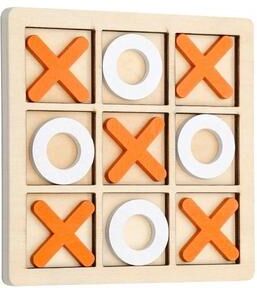
Uplifted Finds Solid Wooden Tic Tac Toe Board And Strategic Interaction Interface orangeInaugurate a direct energy for your environment with this integrated cognitive solution. This solid wooden TicTacToe board serves as a functional choice for your tactical recreation journeys, offering a highdurability alternative to standard...34,97 $*Shipping: 0,00 $Secure redirect to the provider
-
Uplift Essentials Luminous Floating Crystal Ball Infrared Sensing & Gesture Control Flying Toy Luminous Floating Crystal Ball Infrared Sensing & Gesture Control Flying ToyTake to the skies with a mesmerizing aerial display that combines advanced sensor technology with vibrant light effects. This luminous floating crystal ball is a hightech flying toy designed to be controlled by the palm of your hand, offering a...34,97 $*Shipping: 0,00 $Secure redirect to the provider
-
Inspired Deals Kids Adventure Metal Detector Toy With LCD Screen High Sensitivity Treasure Finder greenYou can turn everyday outdoor time into a real treasure hunt with this kids metal detector designed to spark curiosity and excitement. Built for young explorers, this children treasure hunting toy helps kids discover coins, jewelry, and hidden...109,97 $*Shipping: 0,00 $Secure redirect to the provider
-
Frezyderm Sun Screen Velvet Second Skin Technology SPF50+ 50mL Tinted SPF50+A sunscreen for wrinkles and signs of ageing. Usually the sunscreens available in the market are not well accepted due to their cosmetic features and their sensory effect. Commonly the application of sunscreens is associated with a sticky feeling, whitish effect, difficult application, reducing the skin comfort and inconvenience.26,43 £*Shipping: 5,34 £Secure redirect to the provider


-
Genitive or accusative?
The genitive case is used to show possession or relationship between nouns, while the accusative case is used to show the direct object of a verb or the object of certain prepositions. In general, the genitive case is used to indicate possession or belonging, while the accusative case is used to indicate the direct object of a verb or the object of a preposition. The choice between genitive and accusative depends on the specific context and the grammatical rules of the language being used. **
-
Nominative or genitive?
Nominative and genitive are both grammatical cases in many languages, including Latin and German. The nominative case is used for the subject of a sentence, while the genitive case is used to show possession or relationship between nouns. In English, the genitive case is often indicated by adding an apostrophe and an "s" to a noun. **
-
What is the difference between genitive attribute and genitive object?
The genitive attribute is a noun or pronoun that describes another noun by showing possession or association, typically indicated by the use of an apostrophe and the letter "s" ('s) or simply an apostrophe ('). For example, in the phrase "the car's color," "car's" is the genitive attribute describing the color. On the other hand, the genitive object is a noun or pronoun that receives the action of a verb and is also in the genitive case, indicating possession or association. For example, in the phrase "I saw the dog's tail," "dog's" is the genitive object showing possession of the tail. In summary, the genitive attribute describes the noun it is attached to, while the genitive object receives the action of the verb and shows possession or association. **
-
Dative or Genitive 2?
The choice between dative and genitive case in German depends on the verb or preposition being used. "Dative" is used to indicate the indirect object of a sentence, while "genitive" is used to show possession or a relationship between two nouns. "Genitive 2" specifically refers to the genitive case used after certain prepositions, such as trotz (despite) or während (during). It's important to learn the specific prepositions and verbs that require either dative or genitive case in order to use them correctly in German sentences. **


What is the difference between the genitive attribute and the genitive object?
The genitive attribute is a noun or pronoun that is used to describe another noun, showing possession or relationship, and is typically placed before the noun it is modifying. For example, "the car's color" where "car's" is the genitive attribute. On the other hand, the genitive object is a noun or pronoun that is the direct object of a verb and is in the genitive case to show possession or relationship. For example, "I saw the dog's tail" where "tail" is the genitive object. In summary, the genitive attribute describes a noun, while the genitive object is the direct object of a verb and shows possession or relationship. **
What is a genitive construction?
A genitive construction is a grammatical structure that shows possession or relationship between two nouns. It typically involves the use of an apostrophe followed by an "s" ('s) to indicate ownership, such as "the dog's tail." Genitive constructions can also be formed using prepositions like "of," as in "the tail of the dog." These constructions are commonly used in English to express possession, origin, or association. **
Top-Angebote
Products related to Genitive:
-
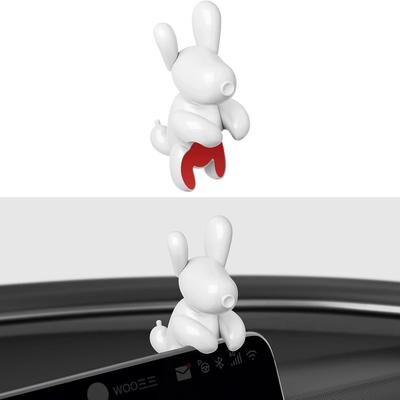
Uplift Essentials Tesla Dog Mode Professional Screen Interface Ornament Tesla Dog Mode Professional Screen Interface OrnamentEnhance your vehicles interior aesthetic with the Tesla Dog Mode Professional Screen Interface Ornament. Engineered as a highfidelity physical homage to a signature petsafety feature, this precisionmolded decoration seamlessly integrates with the...67,97 $*Shipping: 0,00 $Secure redirect to the provider
-
Uplift Essentials Natural Edible Small Pet Chews Enrichment Dental Interface High Yield Foraging Interaction Hub Natural Edible Small Pet Chews Enrichment Dental Interface High Yield Foraging Interaction HubAchieve nutritional optimization with these Precision Detachable Enrichment Chews. Specifically engineered for biological transparency, this highperformance technical tool acts as a vital tool for dental efficiency, neutralizing the limitations of...67,97 $*Shipping: 0,00 $Secure redirect to the provider
-
Uplifted Finds Solid Wooden Tic Tac Toe Board And Strategic Interaction Interface orangeInaugurate a direct energy for your environment with this integrated cognitive solution. This solid wooden TicTacToe board serves as a functional choice for your tactical recreation journeys, offering a highdurability alternative to standard...34,97 $*Shipping: 0,00 $Secure redirect to the provider
-
Uplift Essentials Luminous Floating Crystal Ball Infrared Sensing & Gesture Control Flying Toy Luminous Floating Crystal Ball Infrared Sensing & Gesture Control Flying ToyTake to the skies with a mesmerizing aerial display that combines advanced sensor technology with vibrant light effects. This luminous floating crystal ball is a hightech flying toy designed to be controlled by the palm of your hand, offering a...34,97 $*Shipping: 0,00 $Secure redirect to the provider
-
Is it a genitive object or an adverbial genitive?
The distinction between a genitive object and an adverbial genitive depends on the function of the genitive in the sentence. A genitive object typically functions as the direct object of a verb, indicating possession or association, while an adverbial genitive modifies the action of the verb, indicating manner, time, place, or other circumstances. To determine whether a genitive is a genitive object or an adverbial genitive, it is important to analyze the role it plays in the sentence and its relationship to the verb and other elements. **
-
'Genitive or accusative?'
The genitive case is used to show possession or relationship between nouns, while the accusative case is used to show the direct object of a verb. In general, the genitive case is used to indicate ownership or association, while the accusative case is used to indicate the direct object of a verb or the object of a preposition. The choice between genitive and accusative depends on the specific context and the grammatical rules of the language being used. **
-
Genitive or accusative?
The genitive case is used to show possession or relationship between nouns, while the accusative case is used to show the direct object of a verb or the object of certain prepositions. In general, the genitive case is used to indicate possession or belonging, while the accusative case is used to indicate the direct object of a verb or the object of a preposition. The choice between genitive and accusative depends on the specific context and the grammatical rules of the language being used. **
-
Nominative or genitive?
Nominative and genitive are both grammatical cases in many languages, including Latin and German. The nominative case is used for the subject of a sentence, while the genitive case is used to show possession or relationship between nouns. In English, the genitive case is often indicated by adding an apostrophe and an "s" to a noun. **
Similar search terms for Genitive
-
Inspired Deals Kids Adventure Metal Detector Toy With LCD Screen High Sensitivity Treasure Finder greenYou can turn everyday outdoor time into a real treasure hunt with this kids metal detector designed to spark curiosity and excitement. Built for young explorers, this children treasure hunting toy helps kids discover coins, jewelry, and hidden...109,97 $*Shipping: 0,00 $Secure redirect to the provider
-
Frezyderm Sun Screen Velvet Second Skin Technology SPF50+ 50mL Tinted SPF50+A sunscreen for wrinkles and signs of ageing. Usually the sunscreens available in the market are not well accepted due to their cosmetic features and their sensory effect. Commonly the application of sunscreens is associated with a sticky feeling, whitish effect, difficult application, reducing the skin comfort and inconvenience.26,43 £*Shipping: 5,34 £Secure redirect to the provider
-
Inspired Finds LED Gesture Control Flying Crystal Ball Toy With Colorful Lights whiteTurn any room into a mini light show with this magical LED flying ball that hovers, glows, and responds to your hand. This crystalstyle sphere uses smart sensors so kids can guide it in the air with simple palm movements instead of complicated...34,99 $*Shipping: 0,00 $Secure redirect to the provider
-
Uplifted Finds Solid Wooden Tic Tac Toe Board And Strategic Interaction Interface blueInaugurate a direct energy for your environment with this integrated cognitive solution. This solid wooden TicTacToe board serves as a functional choice for your tactical recreation journeys, offering a highdurability alternative to standard...34,97 $*Shipping: 0,00 $Secure redirect to the provider
-
What is the difference between genitive attribute and genitive object?
The genitive attribute is a noun or pronoun that describes another noun by showing possession or association, typically indicated by the use of an apostrophe and the letter "s" ('s) or simply an apostrophe ('). For example, in the phrase "the car's color," "car's" is the genitive attribute describing the color. On the other hand, the genitive object is a noun or pronoun that receives the action of a verb and is also in the genitive case, indicating possession or association. For example, in the phrase "I saw the dog's tail," "dog's" is the genitive object showing possession of the tail. In summary, the genitive attribute describes the noun it is attached to, while the genitive object receives the action of the verb and shows possession or association. **
-
Dative or Genitive 2?
The choice between dative and genitive case in German depends on the verb or preposition being used. "Dative" is used to indicate the indirect object of a sentence, while "genitive" is used to show possession or a relationship between two nouns. "Genitive 2" specifically refers to the genitive case used after certain prepositions, such as trotz (despite) or während (during). It's important to learn the specific prepositions and verbs that require either dative or genitive case in order to use them correctly in German sentences. **
-
What is the difference between the genitive attribute and the genitive object?
The genitive attribute is a noun or pronoun that is used to describe another noun, showing possession or relationship, and is typically placed before the noun it is modifying. For example, "the car's color" where "car's" is the genitive attribute. On the other hand, the genitive object is a noun or pronoun that is the direct object of a verb and is in the genitive case to show possession or relationship. For example, "I saw the dog's tail" where "tail" is the genitive object. In summary, the genitive attribute describes a noun, while the genitive object is the direct object of a verb and shows possession or relationship. **
-
What is a genitive construction?
A genitive construction is a grammatical structure that shows possession or relationship between two nouns. It typically involves the use of an apostrophe followed by an "s" ('s) to indicate ownership, such as "the dog's tail." Genitive constructions can also be formed using prepositions like "of," as in "the tail of the dog." These constructions are commonly used in English to express possession, origin, or association. **
* All prices are inclusive of VAT and, if applicable, plus shipping costs. The offer information is based on the details provided by the respective shop and is updated through automated processes. Real-time updates do not occur, so deviations can occur in individual cases. ** Note: Parts of this content were created by AI.