Buy multitouch.eu ?
We are moving the project
multitouch.eu .
Are you interested in purchasing the domain
multitouch.eu ?
domain@kv-gmbh.de · 0541-91531010
Buy multitouch.eu ?
Why are demonstrative pronouns called demonstrative pronouns?
Demonstrative pronouns are called demonstrative because they demonstrate or point to a specific noun or pronoun in a sentence. They help to indicate the position or location of the noun or pronoun in relation to the speaker or listener. By using demonstrative pronouns such as "this," "that," "these," and "those," speakers can make their communication more precise and clear by specifying which person, place, thing, or idea they are referring to. **
What is the difference between demonstrative pronouns and demonstrative determiners in French?
In French, demonstrative pronouns (ce, cette, ces) stand alone to replace a noun, while demonstrative determiners (ce/cet, cette, ces) are used with a noun to indicate which specific thing or person is being referred to. For example, "Ce livre est intéressant" uses the demonstrative determiner "ce" with the noun "livre," while "Celui-ci est intéressant" uses the demonstrative pronoun "celui-ci" to replace the noun "livre." Demonstrative determiners are used before a noun, while demonstrative pronouns are used in place of a noun. **

Similar search terms for Demonstrative
Top-Angebote
Products related to Demonstrative:
-
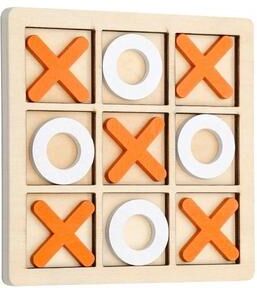
Uplifted Finds Solid Wooden Tic Tac Toe Board And Strategic Interaction Interface orangeInaugurate a direct energy for your environment with this integrated cognitive solution. This solid wooden TicTacToe board serves as a functional choice for your tactical recreation journeys, offering a highdurability alternative to standard...34,97 $*Shipping: 0,00 $Secure redirect to the provider
-
Uplift Essentials Luminous Floating Crystal Ball Infrared Sensing & Gesture Control Flying Toy Luminous Floating Crystal Ball Infrared Sensing & Gesture Control Flying ToyTake to the skies with a mesmerizing aerial display that combines advanced sensor technology with vibrant light effects. This luminous floating crystal ball is a hightech flying toy designed to be controlled by the palm of your hand, offering a...34,97 $*Shipping: 0,00 $Secure redirect to the provider
-
Inspired Deals Kids Adventure Metal Detector Toy With LCD Screen High Sensitivity Treasure Finder greenYou can turn everyday outdoor time into a real treasure hunt with this kids metal detector designed to spark curiosity and excitement. Built for young explorers, this children treasure hunting toy helps kids discover coins, jewelry, and hidden...109,97 $*Shipping: 0,00 $Secure redirect to the provider
-
Frezyderm Sun Screen Velvet Second Skin Technology SPF50+ 50mL Tinted SPF50+A sunscreen for wrinkles and signs of ageing. Usually the sunscreens available in the market are not well accepted due to their cosmetic features and their sensory effect. Commonly the application of sunscreens is associated with a sticky feeling, whitish effect, difficult application, reducing the skin comfort and inconvenience.26,43 £*Shipping: 5,34 £Secure redirect to the provider


-
What are demonstrative pronouns and relative pronouns?
Demonstrative pronouns are pronouns that are used to point to specific things or people. Examples of demonstrative pronouns include "this," "that," "these," and "those." Relative pronouns are pronouns that introduce dependent clauses and connect them to independent clauses. Examples of relative pronouns include "who," "whom," "whose," "which," and "that." **
-
Does French have the demonstrative determiner "cettes"?
No, French does not have the demonstrative determiner "cettes." The correct forms of the demonstrative determiner in French are "cette" for singular feminine nouns, "ce" for singular masculine nouns, and "ces" for plural nouns regardless of gender. "Cettes" is not a standard form in the French language. **
-
How do I use demonstrative pronouns correctly?
Demonstrative pronouns, such as "this," "that," "these," and "those," are used to point out specific people, places, or things. Use "this" and "these" to refer to something that is nearby or close in time, and use "that" and "those" to refer to something that is farther away or in the past. For example, you can say "This is my book" when referring to a book that is nearby, and "That was a great movie" when referring to a movie that you saw in the past. Make sure to match the demonstrative pronoun with the singular or plural noun it is replacing, and use the appropriate form (this/that or these/those) based on the distance or time. **
-
What is the demonstrative pronoun in French?
The demonstrative pronouns in French are "ce," "cette," "ces," and "cet" for singular and plural forms. These pronouns are used to point out or demonstrate specific people, places, or things. They agree in gender and number with the noun they refer to, and their usage depends on the proximity of the object being referred to. **

How does demonstrative silence manifest itself in lovers?
Demonstrative silence in lovers can manifest itself in various ways. It may occur during moments of deep emotional connection, where words are not needed to express their feelings for each other. It can also be a form of understanding and support, where one partner chooses to remain silent to give the other space to process their thoughts or emotions. In some cases, demonstrative silence can be a way for lovers to communicate without words, using nonverbal cues and gestures to convey their love and affection. **
Is it a demonstrative or personal pronoun in Latin?
In Latin, "hic" is a demonstrative pronoun. Demonstrative pronouns in Latin are used to point out specific things or people, while personal pronouns are used to refer to individuals or groups. "Hic" specifically means "this" or "these" and is used to indicate something close to the speaker. **
Top-Angebote
Products related to Demonstrative:
-
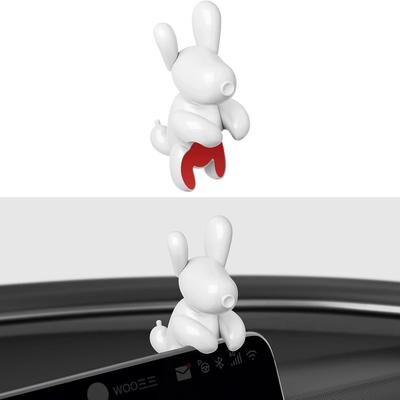
Uplift Essentials Tesla Dog Mode Professional Screen Interface Ornament Tesla Dog Mode Professional Screen Interface OrnamentEnhance your vehicles interior aesthetic with the Tesla Dog Mode Professional Screen Interface Ornament. Engineered as a highfidelity physical homage to a signature petsafety feature, this precisionmolded decoration seamlessly integrates with the...67,97 $*Shipping: 0,00 $Secure redirect to the provider
-
Uplift Essentials Natural Edible Small Pet Chews Enrichment Dental Interface High Yield Foraging Interaction Hub Natural Edible Small Pet Chews Enrichment Dental Interface High Yield Foraging Interaction HubAchieve nutritional optimization with these Precision Detachable Enrichment Chews. Specifically engineered for biological transparency, this highperformance technical tool acts as a vital tool for dental efficiency, neutralizing the limitations of...67,97 $*Shipping: 0,00 $Secure redirect to the provider
-
Uplifted Finds Solid Wooden Tic Tac Toe Board And Strategic Interaction Interface orangeInaugurate a direct energy for your environment with this integrated cognitive solution. This solid wooden TicTacToe board serves as a functional choice for your tactical recreation journeys, offering a highdurability alternative to standard...34,97 $*Shipping: 0,00 $Secure redirect to the provider
-
Uplift Essentials Luminous Floating Crystal Ball Infrared Sensing & Gesture Control Flying Toy Luminous Floating Crystal Ball Infrared Sensing & Gesture Control Flying ToyTake to the skies with a mesmerizing aerial display that combines advanced sensor technology with vibrant light effects. This luminous floating crystal ball is a hightech flying toy designed to be controlled by the palm of your hand, offering a...34,97 $*Shipping: 0,00 $Secure redirect to the provider
-
Why are demonstrative pronouns called demonstrative pronouns?
Demonstrative pronouns are called demonstrative because they demonstrate or point to a specific noun or pronoun in a sentence. They help to indicate the position or location of the noun or pronoun in relation to the speaker or listener. By using demonstrative pronouns such as "this," "that," "these," and "those," speakers can make their communication more precise and clear by specifying which person, place, thing, or idea they are referring to. **
-
What is the difference between demonstrative pronouns and demonstrative determiners in French?
In French, demonstrative pronouns (ce, cette, ces) stand alone to replace a noun, while demonstrative determiners (ce/cet, cette, ces) are used with a noun to indicate which specific thing or person is being referred to. For example, "Ce livre est intéressant" uses the demonstrative determiner "ce" with the noun "livre," while "Celui-ci est intéressant" uses the demonstrative pronoun "celui-ci" to replace the noun "livre." Demonstrative determiners are used before a noun, while demonstrative pronouns are used in place of a noun. **
-
What are demonstrative pronouns and relative pronouns?
Demonstrative pronouns are pronouns that are used to point to specific things or people. Examples of demonstrative pronouns include "this," "that," "these," and "those." Relative pronouns are pronouns that introduce dependent clauses and connect them to independent clauses. Examples of relative pronouns include "who," "whom," "whose," "which," and "that." **
-
Does French have the demonstrative determiner "cettes"?
No, French does not have the demonstrative determiner "cettes." The correct forms of the demonstrative determiner in French are "cette" for singular feminine nouns, "ce" for singular masculine nouns, and "ces" for plural nouns regardless of gender. "Cettes" is not a standard form in the French language. **
Similar search terms for Demonstrative
-
Inspired Deals Kids Adventure Metal Detector Toy With LCD Screen High Sensitivity Treasure Finder greenYou can turn everyday outdoor time into a real treasure hunt with this kids metal detector designed to spark curiosity and excitement. Built for young explorers, this children treasure hunting toy helps kids discover coins, jewelry, and hidden...109,97 $*Shipping: 0,00 $Secure redirect to the provider
-
Frezyderm Sun Screen Velvet Second Skin Technology SPF50+ 50mL Tinted SPF50+A sunscreen for wrinkles and signs of ageing. Usually the sunscreens available in the market are not well accepted due to their cosmetic features and their sensory effect. Commonly the application of sunscreens is associated with a sticky feeling, whitish effect, difficult application, reducing the skin comfort and inconvenience.26,43 £*Shipping: 5,34 £Secure redirect to the provider
-
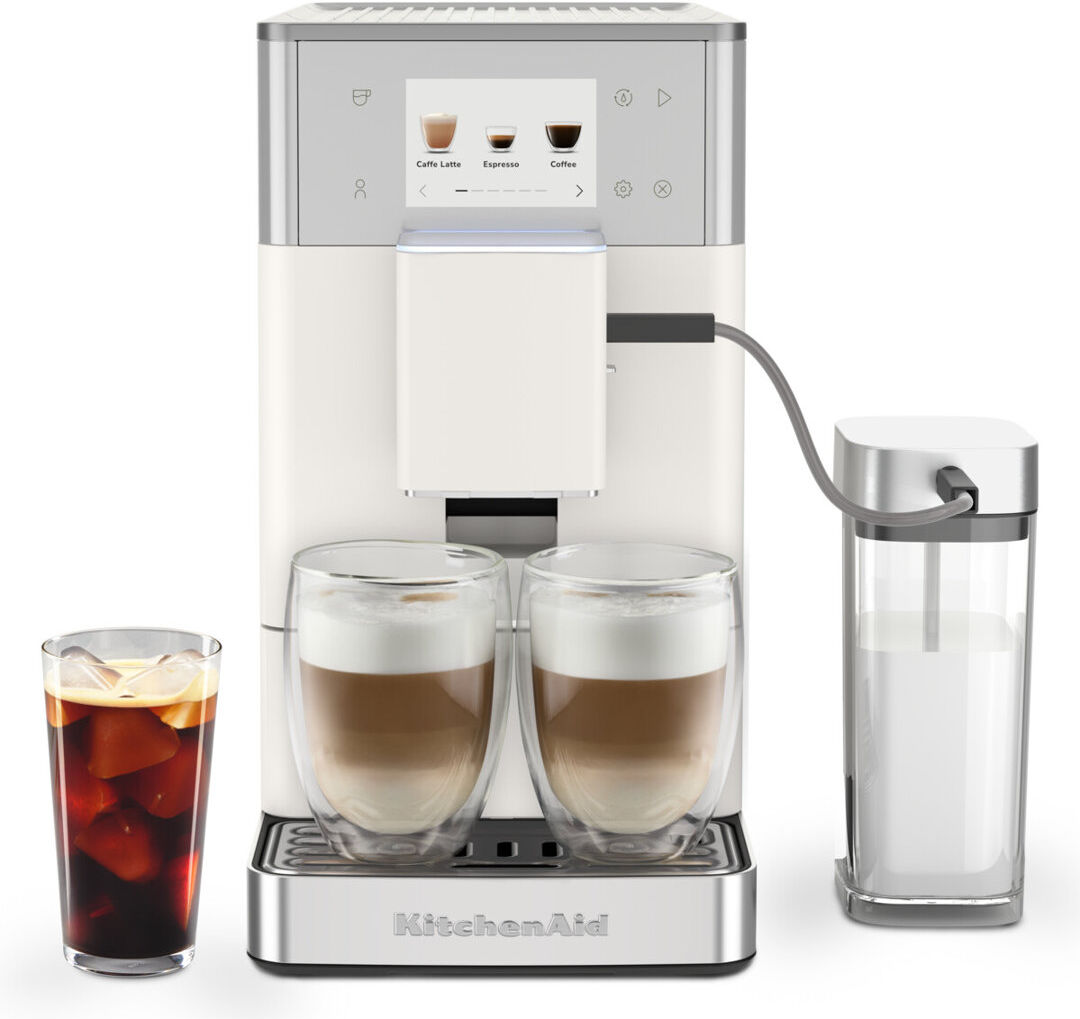
KitchenAid KF4 Fully Automatic Espresso Machine with 8.8cm Touchscreen Control Porcelain 1.8LIntelliGrind Technology: The built-in grinder automatically adapts to different bean types and roasts, eliminating the need for manual adjustments. Brew it hot or make it iced with over 20+ pre-set recipes: Brews at a lower temperature to create light, refreshing drink. For the best results, it’s recommended to serve cold drinks over ice. Dual-drink automatic milk delivery system: Users can place the milk hose into a separate milk container to create a variety of personalized drinks by utilising the auto milk system. Easy-to-use 8.9 cm Colour Display: Intuitive design allows to easily explore and customize - adjusting strength, size, or drink type - with a few simple selections. QuietGrind Technology: The Quiet Grinding System crafts espresso drinks quietly at any time. Certified by Quiet Mark. KitchenAid Colour: Porcelain898,97 £*Shipping: 0,00 £Secure redirect to the provider
-
Uplifted Finds Solid Wooden Tic Tac Toe Board And Strategic Interaction Interface blueInaugurate a direct energy for your environment with this integrated cognitive solution. This solid wooden TicTacToe board serves as a functional choice for your tactical recreation journeys, offering a highdurability alternative to standard...34,97 $*Shipping: 0,00 $Secure redirect to the provider
-
How do I use demonstrative pronouns correctly?
Demonstrative pronouns, such as "this," "that," "these," and "those," are used to point out specific people, places, or things. Use "this" and "these" to refer to something that is nearby or close in time, and use "that" and "those" to refer to something that is farther away or in the past. For example, you can say "This is my book" when referring to a book that is nearby, and "That was a great movie" when referring to a movie that you saw in the past. Make sure to match the demonstrative pronoun with the singular or plural noun it is replacing, and use the appropriate form (this/that or these/those) based on the distance or time. **
-
What is the demonstrative pronoun in French?
The demonstrative pronouns in French are "ce," "cette," "ces," and "cet" for singular and plural forms. These pronouns are used to point out or demonstrate specific people, places, or things. They agree in gender and number with the noun they refer to, and their usage depends on the proximity of the object being referred to. **
-
How does demonstrative silence manifest itself in lovers?
Demonstrative silence in lovers can manifest itself in various ways. It may occur during moments of deep emotional connection, where words are not needed to express their feelings for each other. It can also be a form of understanding and support, where one partner chooses to remain silent to give the other space to process their thoughts or emotions. In some cases, demonstrative silence can be a way for lovers to communicate without words, using nonverbal cues and gestures to convey their love and affection. **
-
Is it a demonstrative or personal pronoun in Latin?
In Latin, "hic" is a demonstrative pronoun. Demonstrative pronouns in Latin are used to point out specific things or people, while personal pronouns are used to refer to individuals or groups. "Hic" specifically means "this" or "these" and is used to indicate something close to the speaker. **
* All prices are inclusive of VAT and, if applicable, plus shipping costs. The offer information is based on the details provided by the respective shop and is updated through automated processes. Real-time updates do not occur, so deviations can occur in individual cases. ** Note: Parts of this content were created by AI.